

Divorce in UK Family Law
Navigating the complexities of divorce can be challenging, but our dedicated team of legal experts is here to guide you through every step.
By prioritising your unique circumstances, we aim to achieve a favourable outcome in your divorce proceedings, ensuring that each case is handled with the utmost attention and dedication for the best possible resolution.
How to Handle a Divorce Legally in the UK?
Divorce is a deeply personal and often challenging experience, but with the proper support , you can navigate this journey with confidence and emerge stronger.
We understand the emotional and practical challenges involved in the step. Our divorce solicitors are committed to making this process as smooth as possible, providing clear advice and fair representation. From initiating divorce proceedings to finalising the details, we can be with you every step of the way.
We offer affordable fixed-fee divorce packages that empower you to navigate the complexities of divorce and family law, ensuring that you emerge from this challenging period with renewed strength and a sense of empowerment.
What is Meant By No-Fault Divorce?
In the UK, legally ending a marriage has undergone significant changes with the introduction of the no-fault divorce law on April 6, 2022. The legislation has simplified the procedure and reduced the potential for conflict between divorcing couples.
Understanding the No-Fault Divorce involves the following legal steps:
- No requirement to prove fault or blame
- The sole ground for divorce is irretrievable breakdown
- Removal of the option to contest a divorce (exceptions remain)
- Opportunity for a joint application for divorce
No-fault divorce eliminates the need to assign blame for the breakdown of the marriage. Instead, it focuses on the irretrievable breakdown of the relationship as the sole ground for divorce. This approach aims to minimise the adversarial nature of the divorce process and foster a more amicable separation.
Legal Separation
A legal separation agreement is a contract between the couple that sets out the terms of their separation, such as how they will divide their assets, debts, and responsibilities. It is a faster and simpler way to end a relationship than a divorce, a legal process that dissolves the marriage or civil partnership.
Unlike a divorce, a separation agreement does not have a minimum duration requirement for the marriage or civil partnership, which means that couples can separate at any time after they get married or enter into a civil partnership.
In contrast, a divorce can only be applied after one year or more of marriage.
Sometimes, taking a step back is necessary. Legal separation allows you to live apart from your spouse without ending the marriage. Many clients need this space and time to consider their future further. Our solicitors can assist in formalising this separation, protecting your interests and setting clear boundaries.
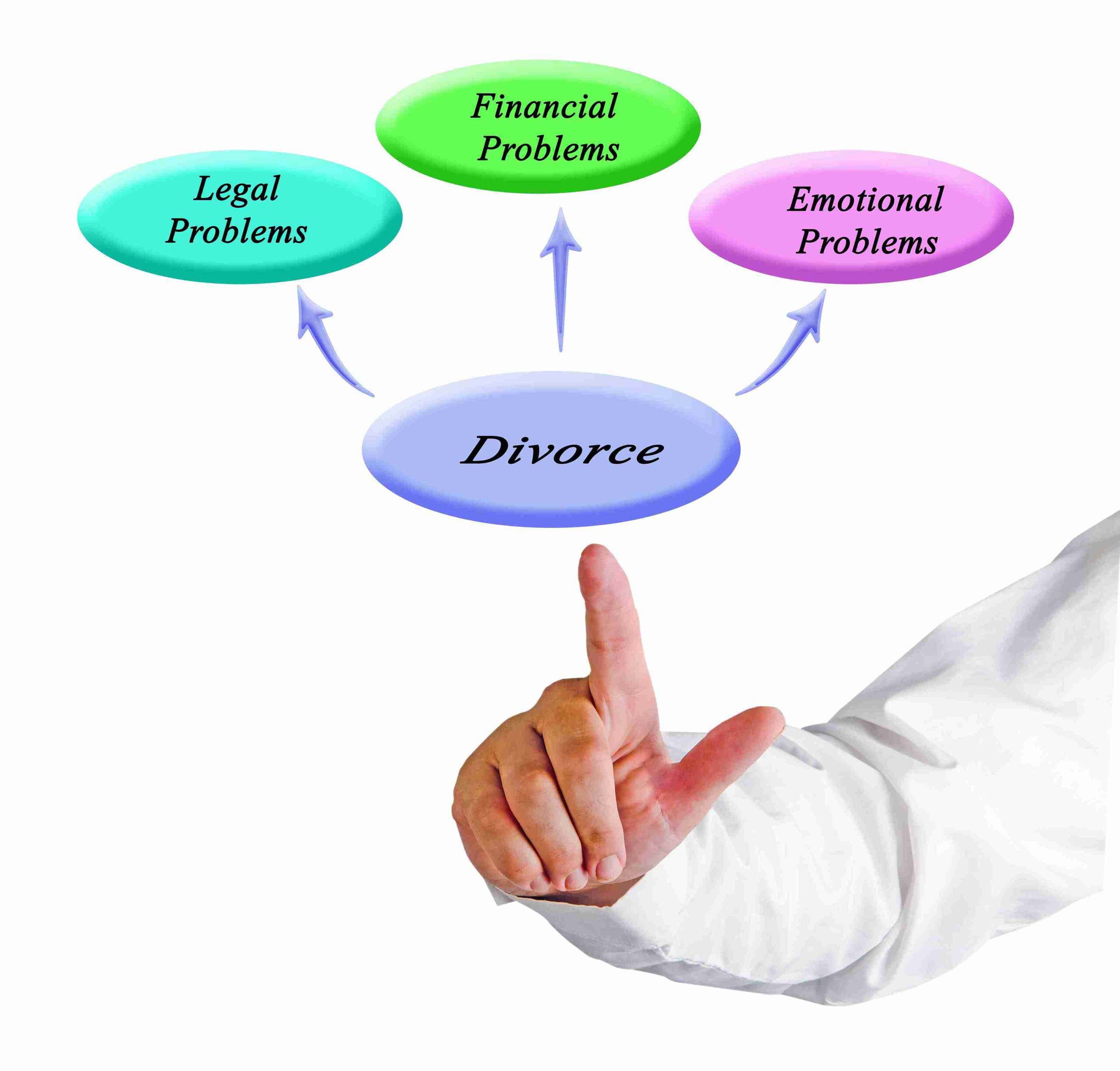
Problems with Marriage
Marriage can become complicated because of various reasons. When any legal matters arise, addressing them with professional legal advice is essential.
We are here to support you through marital difficulties, offering discreet and empathetic counsel. Our team can provide the guidance you need, whether it is financial disputes, domestic violence or other situations.
Domestic Violence
If you are experiencing domestic violence in your relationship, you have several legal options available to you for protection.
- These options include:
- Calling the police: If you feel threatened or in danger, the first step is to call the police on 999. The police can assess the situation and take steps to protect you, such as arresting your partner or removing them from your home.
- Obtaining a non-molestation order: A non-molestation order is a court order that prohibits your partner from harassing, intimidating, or threatening you. It can also prevent your partner from contacting you or coming within a certain distance of you.
- Obtaining an occupation order: An occupation order is a court order that regulates who can live in your family home. It can exclude your partner from the house, even if they are the legal owner.
Looking for Mediation
Resolving finances, property, and child arrangements can be emotionally taxing and complex when facing separation challenges. Mediation offers a constructive and effective solution to navigate these disputes, allowing you and your former partner to reach mutually agreeable outcomes without resorting to adversarial legal proceedings.
Mediation offers a compelling alternative to traditional negotiations and litigation:
- Income from employment or self-employment
- Pension income of either partner
- Certain benefits
- Cash savings of at least £88,500, held for 6 consecutive months
- Cost-Effectiveness: Mediation typically proves more affordable, involving fewer legal expenses.
- Time Efficiency: It can significantly expedite the resolution process, allowing couples to reach agreements more quickly.
- Stress Reduction: Mediation fosters a more collaborative and supportive environment than hostile legal proceedings.
- Relationship Preservation: Mediation promotes open communication and understanding, potentially preserving a positive relationship between the parties, which can be particularly beneficial for co-parenting arrangements.
Unsure of How to Get a Divorce
Divorce is a complex legal process that can be emotionally draining and overwhelming. Nonetheless, understanding the divorce process can alleviate anxiety and empower you to make informed decisions.
While the divorce ends the legal ties of marriage, it does not address the financial relationship between the former spouses. To divide assets and wealth, a financial settlement, a legally binding agreement, should be reached.
Waiting Times in divorce Process
The UK has introduced a no-fault divorce law that makes it easier and less stressful for couples to end their marriage. This law requires a “cooling off” period of 20 weeks between filing for divorce and applying for the Conditional Order. The Conditional Order is a legal document confirming that the divorce can advance without obstacles. After getting the Conditional Order, the couple has to wait another six weeks before applying for the Final Order, the legal document finalising the divorce.
As a result, the shortest time to get a divorce in the UK is 26 weeks. However, this can vary depending on the circumstances of each case, such as the complexity of the financial settlement or other issues.
Here is a summary of the waiting times:
- From filing for divorce to Conditional Order: 20 weeks
- From Conditional Order to Final Order: 6 weeks
- Total minimum time for a UK divorce: 26 weeks (about 6 months)
- Average time for a UK divorce: 7-8 months
Another factor to consider is the timing of the final order, which is the legal document that ends your marriage. Once the order is granted, you are no longer legally married and lose certain rights and benefits as a former spouse. For example, if your ex-partner dies and you have not finalised the financial matters, you may not be entitled to any pension or life insurance benefits. Therefore, sorting out the economic ties before applying for the final order may be advisable.
Our team ensures that you are prepared for each phase and remain informed.
Dissolution of Civil Partnership in the UK
The difference between divorce and dissolution in UK divorce law for England and Wales is that divorce is for legally married couples, while dissolution is for civil partners.
The divorce and dissolution laws in England and Wales have changed with the introduction of no-fault divorce and dissolution. The Divorce, Dissolution and Separation Act 2020 removes the requirement to establish facts or assign blame by allowing couples to divorce or dissolve their civil partnership by simply stating that the relationship has broken down irretrievably. Which also replaces the terms decree nisi and decree absolute with conditional order and final order, respectively.
Whether married or in a civil partnership, you can apply for a divorce or a dissolution after being together for at least one year. If you have been together for less than a year, you can still separate from your partner, but you will need to wait until the one-year mark to apply for a divorce or a dissolution.
Axis Solicitors has a team of experienced and qualified solicitors who can guide you through getting a divorce or a dissolution. Our team can help you with the paperwork, the fees, the court hearings, and the settlement of any financial or childcare issues. Moreover, we can advise you on your rights and obligations while protecting your interests.
If you are looking for a professional and reliable service to help you get a divorce or a dissolution, contact Axis Solicitors today. We offer a free initial consultation and can handle your case with sensitivity and discretion.
Legal Separation
Legal or judicial separation is a court order allowing civil partners to live apart while maintaining the legal status of their relationship. It does not dissolve the civil partnership but creates a formal separation agreement between the partners. Such an agreement outlines the terms of their separation, including arrangements for finances, property, and child custody.
Legal separation may be suitable for couples who:
- I want to try living apart before deciding to end the civil partnership.
- Need time to resolve financial or property matters before dissolving the partnership.
Choosing between dissolution and legal separation depends on the specific circumstances and intentions of the civil partners. Dissolution is appropriate when partners are determined to end their marital relationship permanently.
It is crucial to seek legal advice before initiating dissolution or legal separation proceedings. An experienced family law solicitor can guide you through the process, explain the legal implications, and help you make informed decisions that align with your circumstances.
Problems in Civil Partnerships
Every relationship faces challenges; occasionally, these can seem impossible. Whether you are dealing with financial disagreements, infidelity, or other marital issues, the compassionate and discreet legal team we formed can provide the necessary advice and support.
If you feel threatened or in immediate danger in any relationship, you should call the police. There are also legal protections available through family court, including occupation orders that regulate who can live in the family home (excluding the violent party) and non-molestation orders that prohibit specific behaviours.
At Axis Solicitors, we understand the sensitivities involved and are committed to offering solutions that respect your privacy and emotional well-being.
Looking for Mediation
Mediation is often preferred for couples seeking to resolve their disputes amicably. It provides a structured and supportive environment for open and honest dialogue, enabling both parties to understand each other’s perspectives and work towards a mutually beneficial resolution. Every relationship faces challenges; occasionally, these can seem impossible. Whether you are dealing with financial disagreements, infidelity, or other marital issues, the compassionate and discreet legal team we formed can provide the necessary advice and support.
- This approach offers several advantages over traditional legal routes:
- Affordable: Mediation is significantly more cost-effective than court-based routes.
- Time Efficiency: Mediation resolves issues more quickly than traditional legal methods.
- Reduced Stress and Anxiety: The non-adversarial nature of mediation helps alleviate stress and anxiety, promoting a more positive and constructive atmosphere.
- Enhanced Communication and Cooperation: Mediation fosters open communication and collaboration, potentially preserving a positive relationship for co-parenting or future interactions.
- Tailored Solutions: Mediation enables the creation of customised solutions that address the unique needs of both parties.
- Legally Binding Agreements: A solicitor can convert mediation agreements into legally binding documents.
Looking to End Your Civil Partnership
Deciding to end a civil partnership is always challenging. With our extensive experience, we will support any client going through such a difficult time. Our team of adept divorce and dissolution solicitors will guide you through the process, from filing for dissolution or divorce to understanding the legal requirements. While also ensuring that your rights are protected every step of the way.
How to Dissolve a Civil Partnership?
If you or your partner have decided to end your civil partnership, you must follow a legal process called dissolution. Dissolution follows the divorce process.
- The dissolution process has four steps:
- Fill in a dissolution petition form, either by yourself or with your partner, stating that your civil partnership has broken down irretrievably.
- Send the form to the nearest divorce centre in England or Wales, either online or by post, along with the required court fee of £593
- Apply for a conditional order, a document confirming that the court agrees to dissolve your civil partnership. You can do this after your partner has responded to the petition and after a 20-week waiting period.
- Apply for a final order, the final legal document ending your civil partnership. You can do this six weeks after you get the conditional order.
Waiting Times in Dissolution of Civil Partnership
Navigating the dissolution of a civil partnership can be an emotionally challenging experience, and understanding the waiting times involved can help you make informed decisions and manage your expectations.
In the UK, the dissolution process takes at least 26 weeks (approximately six months) from the date of application to the final order.
- This timeline is divided into two stages:
- Conditional Order: After submitting your application, there is a mandatory 20-week waiting period before a conditional order can be granted. While this order does not officially dissolve the civil partnership, it does mark the first legal step towards termination.
- Final Order: You can apply for the final order six weeks after receiving the conditional order. Upon its approval, your civil partnership will be legally dissolved.
On average, the dissolution process varies from seven to eight months from the date of application to the final order. The actual waiting time may vary depending on your case’s complexity, the courts’ workload, and the efficiency of your legal representation. Therefore, seeking guidance from an experienced family law solicitor who can provide accurate estimates and keep you informed throughout the process is recommended.
Please consult with the family law professionals at Axis Solicitors for an initial consultation with advice tailored to your specific circumstances.
Difference in Divorce & Legal Separation
The fundamental distinction between legal separation and divorce lies in the finality of the marriage’s legal status. Divorce marks the absolute dissolution of the marriage, while legal separation does not. Instead, legal separation formally acknowledges the relationship’s end and establishes a framework for managing financial arrangements or children during the separation period.
- Legal separation can involve various aspects of the couple’s financial and other responsibilities, including:
- Housing: Determining who will continue to pay rent or mortgage payments and who will retain occupancy of the family home.
- Debts: Addressing the division of joint debts, such as credit card balances and loans.
- Savings and Assets: Establishing a plan to distribute shared savings accounts, investments, and other assets.
- Child Custody and Support: If children are involved, outline the arrangements for their living arrangements, childcare, and financial support.
Legal separation offers a less conclusive alternative to divorce, allowing couples to maintain their legal status as married while separating their financial obligations and establishing an agreement for co-parenting, if applicable.
A legal separation is a court order that allows you to live apart from your spouse or civil partner but will still be considered married or in a civil partnership for lawful purposes.
Couples may pursue legal separation rather than divorce or civil partnership dissolution for many reasons.
Common reasons include:
- Religious reasons: A legal separation may be more acceptable if religious beliefs prevent divorce.
- Short-term separation: If you are unsure whether you want to end your relationship permanently, legal separation can give you time and space to consider your options.
- Financial considerations: Legal separation can help you protect your economic interests, such as your property and pension rights, while separated.
- Married for less than a year: A legal separation is preferable in cases where divorce is not yet an option, for example, when the marriage is less than a year old.
You must complete a separation application form and send it to the court to apply for legal separation. Meanwhile, you must also provide evidence of your marriage or civil partnership. The court fee for a legal separation application is £365.
Facing Issues with Legal Separation
While legal separation offers a formalised structure for managing the practicalities of separation, it is essential to consult with legal counsel to ensure that all aspects of the separation agreement are correctly addressed and that the rights of both parties are adequately protected.
Legal separation often brings a range of challenges and questions. Whether you are dealing with financial disputes and custody arrangements or simply need guidance on the next steps, our team at Axis Solicitors is equipped to help.
If you are experiencing violence in your relationship, it is important to seek help immediately. The first step is to dial 999 if you feel threatened or in danger. You can also contact the police at a non-emergency number or visit a police station.
2 Years Separation
Before the introduction of the No-Fault Divorce Law in England and Wales in April 2022, obtaining a divorce required citing one of five specific grounds for marital breakdown.
These grounds included:
- Unreasonable behaviour: Encompassing a broad range of behaviours that made it intolerable for one spouse to continue living with the other.
- Desertion: Involving one spouse voluntarily abandoning the marital home without consent or justification for a continuous period of at least two years.
- Adultery: With one spouse engaging in adultery as it is legally defined with someone other than their spouse.
- Separation for two years or more with consent: This rule required the spouses to live apart for at least two years.
- Separation for five years or more without consent: Requiring the spouses to have been living apart for five years or more.
The 2-year separation rule was one of five grounds for divorce in England and Wales before the introduction of the no-fault divorce law in April 2022. Using this rule allowed one spouse to file for divorce if they had been living apart from their spouse for two years or more, with the other spouse’s consent. The purpose of this rule was to provide a clear and straightforward path to divorce for couples who had effectively ended their marital relationship and had no intention of reconciling.
Under the 2-year separation rule, both spouses had to agree to live apart for at least two years. An agreement could be written or verbal and did not need to be formalised in court. Once the two-year separation period had elapsed, either spouse could file for divorce.
With the introduction of the no-fault divorce law in April 2022, the 2-year separation rule is no longer a valid ground for divorce in England and Wales.
5 Years Separation
The 5-year separation rule was one of five grounds for divorce in England and Wales until it was abolished in April 2022. Under this rule, one spouse could apply for a divorce if they had been living separately from their spouse for five years immediately before the divorce petition was filed. The other spouse’s consent was not required.
The rule was a popular option for couples who had been separated for a long time and no longer wished to be married. It was also a relatively straightforward and painless way to get a divorce, as it did not require the parties to prove fault or attend court.
There is now only one ground for divorce in England and Wales: the irretrievable breakdown of the marriage. Nowadays, one spouse can apply for a divorce if they believe the marriage has irretrievably broken down, regardless of whether or not the other spouse agrees.
Waiting Times
A separation agreement is a contract between the couple that sets out the terms of their separation, such as how they will divide their assets, debts, and responsibilities. It is a faster and simpler way to end a relationship than a divorce, the legal process that dissolves the marriage or civil partnership.
Unlike a divorce or dissolution, a separation agreement does not have a minimum duration requirement for the marriage or civil partnership, which means that couples can separate at any time after they get married or enter into a civil partnership. Conversely, a divorce can only be applied for after at least one year of marriage or civil partnership.
The duration of the legal separation process can vary, depending on both parties’ cooperation and the case’s complexity. At Axis Solicitors, we work efficiently to minimise delays, ensuring your case is handled with the utmost attention.
No-Fault Divorce
Our expertise in the No-Fault Divorce Laws in the UK allows us to assist clients in navigating their divorce with dignity, focusing on a respectful resolution.
Divorcing Without Mentioning/Needing a Reason
Our expertise in the No-Fault Divorce Laws in the UK allows us to assist clients in navigating their divorce with dignity, focusing on a respectful resolution.
The introduction of No-Fault Divorce in the UK means that couples can now file for divorce without citing a specific reason or proving fault on the part of either spouse. This approach recognises that sometimes, a relationship can break down irretrievably without wrongdoing. At Axis Solicitors, we provide sensitive and confidential guidance to clients seeking a no-blame divorce.
No-Fault Divorce Law in the UK
The introduction of no-fault divorce in April 2022 marked a significant shift in the UK’s divorce laws, eliminating the need for spouses to assign blame when seeking a divorce. Allowing couples to move forward amicably, without the burden of assigning fault or reliving the pain of past conflicts.
No-fault divorce offers several clear benefits:
- No-fault divorce removes the burden of assigning blame, reducing the potential for anger and conflict during the divorce process.
- By eliminating the need to prove fault, no-fault divorce can help minimise emotional stress and allow couples to focus on resolving their legal and financial matters more amicably.
- No-fault divorce empowers couples to prioritise a more amicable and constructive approach to divorce, fostering a more cooperative environment for resolving shared assets, child custody arrangements, and other essential matters.
How to End Your Marriage Without Giving a Reason
If you are seeking a divorce but prefer not to disclose the reasons behind the decision, you may be glad to hear that no-fault divorce has been the standard in England and Wales since 2022. Eliminating the need to explain your reasoning ensures that your privacy remains respected and allows a smoother transition into the next chapter of your life. Our solicitors are committed to supporting you through this process, ensuring a dignified and respectful handling of your case.
Waiting Times
The UK’s no-fault divorce law has made getting a divorce simpler and less stressful for couples. The law introduced a “cooling off” period, a mandatory 20-week period between the date the divorce application is submitted and when the Conditional Order can be applied.
The Conditional Order is a legal document that confirms that there is no valid reason to prevent the divorce from proceeding. After the Conditional Order is granted, there is a further six-week waiting period before the couple can apply for the Final Order, which is the legal document that legally dissolves the marriage.
This means the minimum time to get a no-fault divorce in the UK is 26 weeks. However, note that the process can sometimes take longer if there are any disputes over financial matters or other issues.
Here is a more detailed breakdown of the waiting times:
- Date of application to Conditional Order: 20 weeks.
- Conditional Order to Final Order: 6 weeks.
- Total minimum time for a UK divorce: 26 weeks (approximately six months).
- The average timeline for divorce: 7-8 months.

What is the Process of Divorce in the UK?
The divorce process involves four main steps:
- Filing a Divorce Application: As a sole applicant (Form D8) or as joint applicants.
- Applying: Send the completed application and the appropriate court fee of £593 to a divorce centre online or by post.
- Obtaining a conditional order: After your spouse acknowledges the application and a 20-week cooling-off period elapses, you can apply for a conditional order.
- Finalising the divorce: You can apply for a final order six weeks after receiving the conditional order, formally dissolving the marriage.
If children are involved, arrangements for their care and well-being must be made separately from the divorce proceedings.
How to Apply for Annulment of Marriage in the UK?
Understanding Annulment
- Legal decree declaring a marriage null and void.
- Treats the marriage as if it never happened.
- Different from divorce, which dissolves a valid marriage.
Why Consider an Annulment
- Marriage may not have been legally valid.
- Provides clarity and closure for both parties.
- Handles cases of fraud, coercion, or misrepresentation.
Annulment Applications
- Complex process requiring legal expertise.
- Solicitors manage every aspect of your case.
- Ensures compliance with UK legal requirements.
Eligibility for Annulment
- Married for less than a year or never cohabited.
- Marriage based on fraud, misrepresentation, or coercion.
- Cases involving forced or unwanted marriages.
Waiting Times and Process
- Duration depends on case complexity and court workload.
- Axis Solicitors work to expedite proceedings efficiently.
- Clients are kept informed throughout the process.
Understanding the Islamic Divorce in the UK

Specialist Sharia Divorce Solicitors
- Experienced in both Sharia and English law.
- Support for men (Talaq) and women (Khula).
- Compassionate guidance through sensitive proceedings.
Sharia Divorce and Legal Recognition
- Obtain Sharia divorce certificates via councils.
- Certificates respected in communities, not legally binding.
- Civil divorce still required for UK legal rights.
Working with Sharia Councils
- Established network of recognised councils.
- Assist with religious procedures and documentation.
- Facilitate smooth coordination between council and court.
Eligibility for Islamic Divorce
- Marriage must be solemnised under Sharia law.
- Nikah Nama is required as proof of marriage.
- Only couples married via recognised Islamic authority qualify
Duration and Process
- Waiting times vary by council and case complexity.
- Axis Solicitors streamline the process efficiently.
- Respectful of cultural and religious practices throughout.