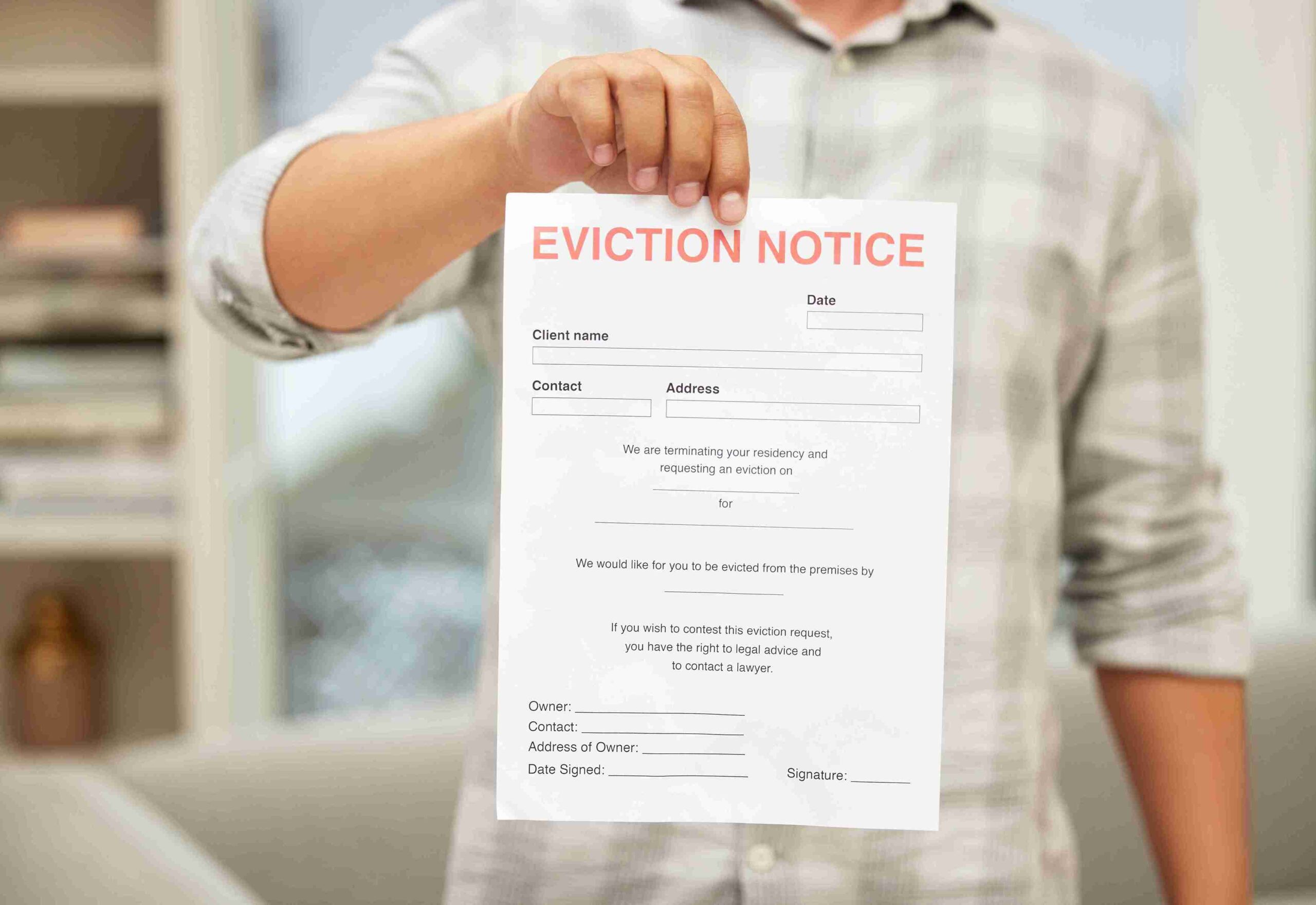

What Is Tenant Legal Support?
Tenants, whether residential or commercial, face a wide range of legal issues, from landlord disputes to repair failures and illegal eviction attempts. These issues can affect your safety, finances, and peace of mind. Whether you’re dealing with:
- Eviction threats
- Repair issues
- Unfair rent
- Breaches of tenancy agreement
legal support can protect your rights and secure your home or business premises.
Understanding the Tenancy Agreement
Your tenancy agreement is a legally binding contract between you and your landlord, outlining the rights, responsibilities, and obligations of both parties. It forms the foundation of your tenancy and governs key aspects of it.
At Axis Solicitors, we provide a detailed review of your tenancy agreement, including:
Clause-by-clause explanations so you understand exactly what you are agreeing to.
Review of rent and service charge obligations to ensure they comply with UK law.
Assessment of break clauses and conditions for early termination.
Advice on repairs and maintenance responsibilities.
Guidance on subletting or alterations to avoid breaching the agreement.
We also assist tenants in negotiating amendments before signing, ensuring your interests are protected from the start.
What If a Landlord Breaches the Tenancy Agreement?
If your landlord fails to comply with the terms of your tenancy agreement, it is important to act promptly to protect your rights and your home. Breaches can include failing to carry out repairs, entering the property without notice, withholding deposits, or imposing unfair charges.
At Axis Solicitors, we guide tenants to enforce their legal rights and understand the conditions of tenancy agreements. Recommended actions often include:
- Documenting the breach: Keep written records, photographs, and correspondence with your landlord.
- Serving formal notices: Send a written request demanding compliance or rectification of the breach.
- Negotiation: Engage your landlord or letting agent to resolve the issue amicably.
- Legal action: If necessary, pursue claims in County Court or First-Tier Tribunal, including compensation or enforcement orders.
Taking these steps ensures your tenancy rights are upheld and prevents further disputes.
What are the Tenant Rights in the UK Law?
Understanding your legal rights as a tenant is the first step in protecting your home, your finances, and your peace of mind. UK law provides tenants with a range of statutory and common-law protections that apply across private rentals, social housing, student accommodation, and commercial leases. Being aware of these rights helps you avoid disputes and ensures landlords meet their legal obligations.
Your Right to a Written Tenancy Agreement
Every tenant is entitled to a clear, written tenancy agreement that outlines both their responsibilities and those of the landlord. This document forms the basis of your tenancy and governs rent, deposit arrangements, repair obligations, and notice periods.
Protection from Unlawful Eviction
Landlords must follow strict legal procedures before evicting a tenant. This includes proper Section 8 or Section 21 notices, depending on the tenancy type. Forced eviction or harassment is illegal and can be challenged in court.
Security of Deposits and Safe Homes
Tenancy deposits must be protected under the Tenancy Deposit Scheme (TDS). Additionally, tenants are entitled to live in safe, habitable properties, with landlords responsible for timely repairs and compliance with housing health and safety standards.
Fair Rent and Freedom from Discrimination
Tenants are protected against unfair rent increases and excessive service charges. They also have the right to challenge discrimination, harassment, or anti-social behaviour from landlords or other tenants.
At Axis Solicitors, we provide tailored advice for all tenancy types, ensuring that your rights are understood, enforced, and protected. We act swiftly when landlords fail to comply, helping tenants safeguard their homes, deposits, and legal interests.

How to Deal with Unlawful Evictions?
Unlawful evictions are unfortunately common, particularly when tenants assert their legal rights or complain about property conditions. Landlords must follow strict legal procedures, including serving proper Section 8 or Section 21 notices, depending on the tenancy type.
Examples of Unlawful Eviction
- Forcing tenants out without notice.
- Changing locks or removing possessions.
- Cutting off utilities such as gas, water, or electricity.
- Harassment, threats, or intimidation.
How Axis Solicitors Can Help
- Challenge unlawful eviction attempts in court.
- Ensure landlords serve proper notices and follow legal procedures.
- Represent tenants in County Court or First-Tier Tribunal proceedings.
- Seek injunctions to prevent eviction while disputes are resolved.
Case Example: A tenant reported persistent disrepair to their landlord, who responded by attempting to evict them without notice. Axis Solicitors intervened, suspended the eviction, and secured repairs, protecting the tenant’s right to remain safely in their home.
Repair and Maintenance Issues in Tenancy Agreement
Landlords are legally required to maintain their properties in a safe and habitable condition. Failure to do so may result in legal claims for enforcement or compensation.
Tenant Rights for Repairs:
- Structural integrity of the property.
- Functional heating, plumbing, and electrical systems.
- Safe common areas in multi-tenant buildings.
What to Do If Repairs Are Ignored:
- Serve formal repair requests in writing.
- Report unsafe conditions to the local council.
- Take legal action for compensation or enforcement if necessary.
Axis Solicitors Services:
- Represent tenants in claims involving disrepair or unsafe living conditions.
- Enforce repair obligations through court or tribunal proceedings.
- Negotiate rent reductions or alternative accommodation where justified.
Legal Options for Breaking a Tenancy Early
Sometimes, tenants find themselves needing to leave a rental property before the end of their agreed tenancy period. This may be due to relocation for work, changes in personal circumstances, unsafe living conditions, or disputes with a landlord. Leaving early without proper legal guidance can lead to financial penalties, loss of deposit, or even legal action, so it is important to understand your rights and options.
Common Ways to End a Tenancy Early
- Mutual surrender agreements: You and your landlord can agree in writing to terminate the tenancy early, often without financial penalties.
- Break clauses: Many tenancy agreements include clauses allowing early termination if certain conditions are met, such as providing a specified notice period.
- Defending against eviction: If a landlord attempts to penalise or evict you unlawfully for leaving early, you have legal defences to protect your interests.
Expert Tenant Support at Axis Solicitors
At Axis Solicitors, we assist tenants in ending their tenancy early while protecting their rights and financial interests. Our team can negotiate early exit agreements that minimise costs and ensure a smooth transition, while also ensuring that deposits and rent obligations are handled correctly to avoid disputes or financial loss.
If a landlord attempts to penalise you or pursue eviction unlawfully, we provide full legal representation in court or tribunal proceedings, safeguarding your tenancy rights.
Which Types of Tenants We Support?
Tenant rights can vary by sector and type of tenancy. Our tailored legal advice supports all tenants, residential and commercial, across multiple settings:
- Private Renters: We help enforce tenancy rights, challenge unfair treatment, and ensure landlords follow legal standards.
- Social Housing Tenants: We advise on housing association obligations, eviction defence, and property condition enforcement.
- Commercial Tenants: We represent businesses in lease disputes, possession actions, and negotiation of favourable lease terms.
- Student Tenants: Support with shared housing agreements, unprotected deposits, and early lease exits.
Book an appointment today to speak with our specialist tenant solicitors and secure your rights.

How to Respond to Rent Arrears & Eviction Notices?
Falling behind on rent can feel stressful, but tenants in the UK have legal protections to help them respond effectively. Follow these steps to prevent eviction and resolve disputes efficiently.
- Respond promptly to any possession or eviction notice in writing.
- Keep detailed records of rent payments and communications.
- Negotiate repayment plans with your landlord to catch up on arrears.
- Check notice validity to ensure compliance with Section 8 or Section 21.
- Seek legal advice early to identify defences and protect your rights.
- Consider mediation or tribunal to resolve disputes without court action.
Taking these steps promptly helps safeguard your tenancy and increases the chances of reaching a fair resolution.
What Are the Major Tenant Dispute Categories?
1. Eviction and Possession Defence
- Challenge eviction notices that breach tenancy law.
- Represent tenants in County Court or First-Tier Tribunal proceedings.
- Stop landlords from using harassment or intimidation tactics.
2. Repair and Housing Condition Disputes
- Enforce landlords’ obligations to maintain safe properties.
- Pursue compensation for prolonged disrepair or inconvenience.
- Assist with council or tribunal interventions when necessary.
3. Tenancy Deposit Claims
- Recover unprotected or mishandled tenancy deposits.
- Challenge unfair deductions or disputes with landlords.
- Claim compensation under the Tenancy Deposit Scheme (TDS).
4.Rent and Service Charge Disputes
- Negotiate fair rent adjustments with landlords or agents.
- Dispute excessive or unlawful service charges.
- Represent tenants in tribunals or court proceedings.
Other Tenancy Disputes
- Address harassment, discrimination, or anti-social behaviour.
- Advise on breaking tenancies or early termination agreements.
- Provide full legal representation in complex disputes.
Additional Legal Support for Tenants in the UK

Housing Disrepair and Compensation Claims
- Claim compensation for prolonged disrepair or unsafe living conditions.
- Seek reimbursement for inconvenience or health-related impacts.
- Request alternative accommodation costs where justified.
Negotiation with Letting Agents or Housing Associations
- Communicate directly with agents to resolve tenancy disputes.
- Ensure outcomes comply with legal and tenancy regulations.
- Negotiate solutions without escalating to court or tribunal.
Defending Rent Arrears Proceedings
- Negotiate repayment plans for outstanding rent.
- Challenge disputed arrears in court or tribunal.
- Protect tenants from unlawful eviction due to arrears.
Human Rights and Discrimination Claims
- Take legal action if housing issues involve discrimination.
- Defend tenants whose protected characteristics are threatened.
- Enforce rights under UK equality and human rights law.
Court and Tribunal Representation
- Represent tenants in County Court or First-Tier Tribunal hearings.
- Handle small claims related to tenancy disputes.
- Provide full legal support for complex housing cases.