

How UK Housing Disrepair Claims Work?
Tenants across the UK are legally entitled to live in homes that are safe, secure, and well-maintained. You may be eligible to claim compensation if your landlord has failed to fix issues like:
- Damping
- Structural damage
- Faulty heating
- Pest infestations
Whether you’re in council housing or renting privately, our expert team is ready to help you reclaim your living standards.
What are the Legal Rights of Tenants in the UK?
Many tenants are unaware of their legal rights regarding housing disrepair. If your property requires repairs to make it safe or habitable, it may be considered in disrepair. Our expert solicitors can:
Help you get your property repaired
Seek compensation for damages and inconvenience
Ensure your landlord meets their legal obligations
How to Face Housing Disrepair Claims in the UK?
If you are a landlord facing a housing disrepair claim that you believe to be invalid or where the tenant is demanding more than reasonable, our team can provide the legal support you need to successfully defend against such claims. We can:
- Review the details of the claim and assess its validity
- Respond to letters before action and handle negotiations with tenants
- Advise on the appropriate course of action, including carrying out repairs or offering settlements where necessary
- Represent you in court proceedings, ensuring you pay no more than reasonably required.
We will rigorously challenge any invalid claims and, where a claim is valid, we can ensure that you are only liable for a fair and reasonable amount.
Housing Disrepair Claims
Living in unsafe or poorly maintained housing? You don’t have to accept broken boilers, mouldy walls, or leaking ceilings.
At AXIS Solicitors, we help tenants hold landlords accountable and restore dignity to their homes. If your property is in disrepair, we’re here to fight for your rights.
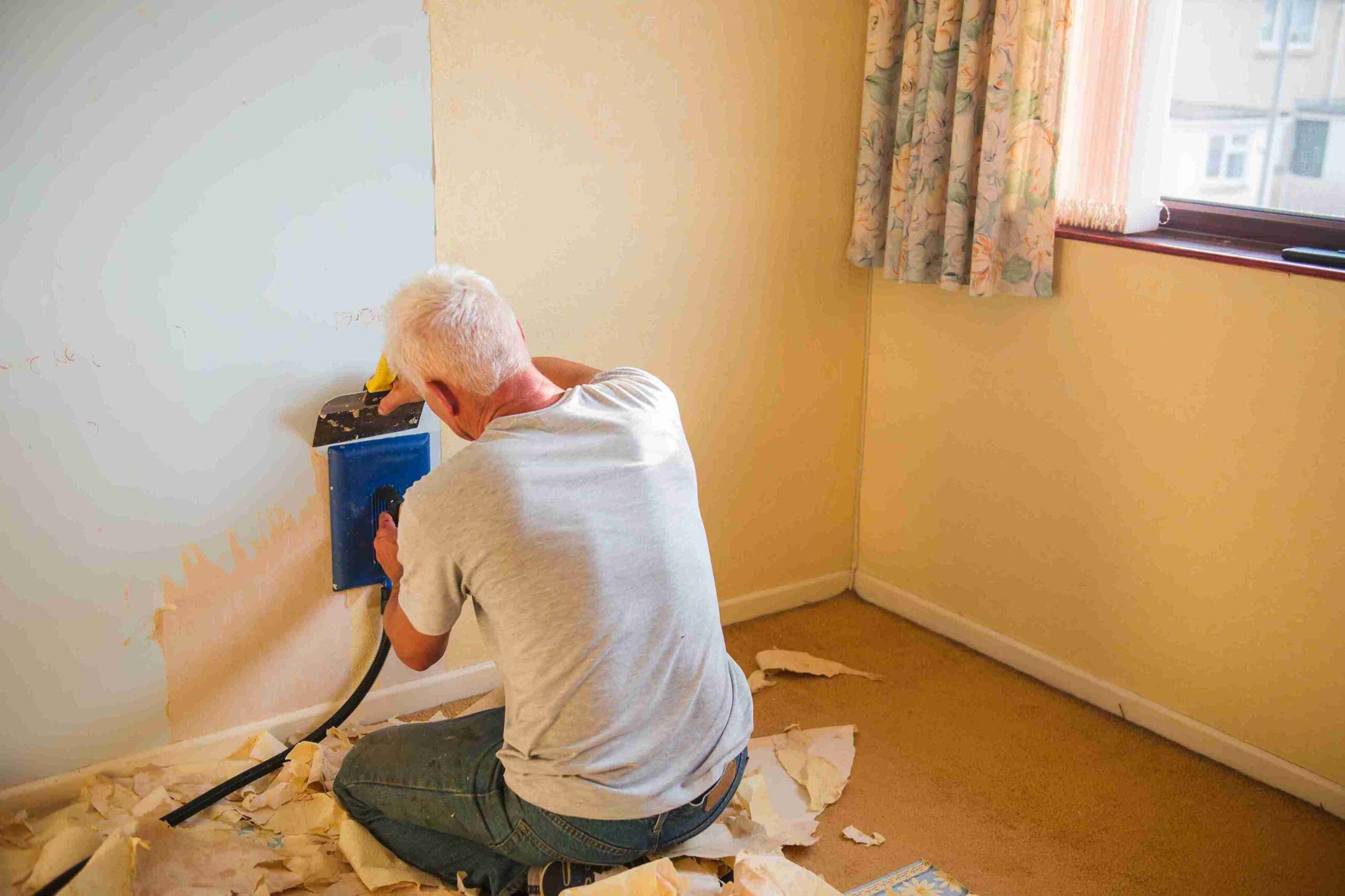
For Tenants
Is your rental property in disrepair, with your landlord neglecting necessary repairs? You may be entitled to make a housing disrepair claim.
At Axis Solicitors, our specialists have the expertise to guide you through any type of housing disrepair claims across the UK.
- No matter where you are based, we will help you understand your rights as a tenant, offering personalised support through phone or video.
For Landlords
Are you facing housing disrepair claims that feel unjust or excessive? With the right legal advice, you can effectively defend your position.
Our team at Axis Solicitors is highly experienced in landlord-tenant law. We will provide the advice and representation you need to protect your interests and resolve disputes swiftly. Our services are available nationwide, with the convenience of remote services.
Take Control of Your Housing Dispute
Get in touch with Axis Solicitors today for a free initial assessment. We will review your case and explain how we can assist you in securing the best possible outcome.
Resolving Housing Disrepair Disputes
Our expert team brings a wealth of specialist knowledge and experience to provide personalised support and representation for all types of housing disrepair claims throughout the UK.
No matter where you are located, we are here to help and guide you through landlord-tenant law, ensuring you understand your rights and offering convenient services over the phone or via video conferencing platforms like Zoom and Microsoft Teams.
What Can You Claim For?
Our experienced team can help you claim for various issues, including:
- Faulty boilers and heating systems
- Damp and mould problems
- Electrical wiring faults
- Leaking roofs and gutters
- Defective windows and doors
- Structural issues and wall cracks
- Pest infestations
Compensation Claims
In addition to repairs, we can help you claim compensation for:
- Living in a property in disrepair
- Damage to personal belongings
- Health issues caused by disrepair
- Discomfort and inconvenience
- Costs of bringing the property up to legal standards
Compensation is calculated based on the duration and severity of the disrepair, as well as the number of affected occupants.
Penetrating Damp
Penetrating damp is a common issue in residential properties, occurring when water penetrates the walls or roof of a building due to structural defects or disrepair. This type of damp can cause significant damage to the interior of the property, leading to visible damp patches, mould growth, and deterioration of the building fabric.
Causes of Penetrating Damp
Several factors can contribute to the development of penetrating damp, including:
- Damaged or faulty guttering: If gutters are blocked, cracked, or incorrectly installed, water can overflow and seep into the walls of the building.
- Missing or cracked roof tiles: Gaps in the roof can allow water to enter the property, causing penetrating damp in the upper floors or attic space.
- Cracks in external walls: Structural movement, settling, or weathering can cause cracks in the external walls, providing a pathway for water to enter the building.
- Defective window or door frames: Poorly maintained or damaged window and door frames can permit water ingress, leading to penetrating damp around these openings.
Landlord Responsibilities
In most cases, the landlord or freeholder is responsible for maintaining the structure of the building and addressing any defects that cause penetrating dampness. Tenants should report penetrating damp issues to their landlord as soon as they notice them, allowing for prompt repair and minimising potential damage to the property and the tenant’s belongings.
Housing Disrepair Claims
If a landlord fails to take appropriate action to address penetrating damp caused by disrepair, tenants may have grounds for a housing disrepair claim. In such cases, it is advisable to consult a specialist housing disrepair solicitor to discuss your rights and potential legal options. A successful claim can lead to the landlord being compelled to carry out necessary repairs and may also result in compensation for the tenant.
Health Concerns
Penetrating damp can pose health risks to tenants, primarily due to the potential for mould growth. Mould exposure can cause respiratory problems, allergic reactions, and exacerbate existing health conditions such as asthma. Addressing penetrating damp promptly is crucial to minimise these health risks and ensure a safe living environment for tenants.
Condensation Based Damp
Several factors can contribute to the development of condensation based damp:
- Lack of ventilation: If a property lacks sufficient ventilation, particularly in areas prone to moisture buildup (such as kitchens and bathrooms), excess humidity can lead to condensation and damp.
- Poor insulation and heating: Inadequate insulation and heating can result in cold surfaces within the home, which are more susceptible to condensation when warm, moist air comes into contact with them.
- Lifestyle factors: Certain activities, such as drying clothes indoors, cooking without proper ventilation, or not opening windows regularly, can increase the moisture content in the air and contribute to condensation based damp.
Legal Implications
Unlike penetrating damp or rising damp, condensation based damp is not typically caused by disrepair or the landlord’s failure to maintain the property. As a result, this type of damp would not usually form part of a housing disrepair claim.
However, tenants may have other legal options to address condensation based damp:
- The Homes (Fitness for Human Habitation) Act 2018: Under this act, landlords must ensure that their properties are fit for human habitation. If condensation based damp is severe enough to impact the property’s fitness for habitation, tenants may be able to bring a claim under this legislation.
- Environmental health legislation: If the condensation based damp poses a risk to the tenants’ health or safety, they may be able to involve the local council’s environmental health department. The council has the power to assess the property and take action against the landlord if necessary.
Preventing Condensation Based Damp
Tenants can take several steps to minimise the risk of condensation based damp:
- Ensure proper ventilation by opening windows regularly and using extractor fans in kitchens and bathrooms.
- Avoid drying clothes indoors, or if necessary, do so in a well-ventilated room.
- Use the heating system to maintain a consistent, comfortable temperature throughout the property.
- Keep furniture away from external walls to allow air circulation.
If condensation based damp persists despite these efforts, tenants should discuss the issue with their landlord to determine if any additional measures can be taken to address the problem.
Fitness for Human Habitation
The Homes (Fitness for Human Habitation) Act 2018, which came into force on 20 March 2019, has introduced new requirements for residential properties in England. This section explores the concept of ‘fitness for human habitation’ and its implications for both tenants and landlords.
Application of the Act
The Homes (Fitness for Human Habitation) Act 2018 applies to new tenancies of less than seven years, granted on or after 20 March 2019. From 20 March 2020, the Act extends to cover all such tenancies, regardless of their start date.
Requirements Under the Act
Under the Act, a rented property must be:
- Fit for human habitation at the commencement of the tenancy
- Maintained in a fit state for human habitation throughout the tenancy
Factors Considered in Determining Fitness for Human Habitation
When assessing whether a home is fit for human habitation, the following factors are taken into account:
- Repair
- Stability
- Freedom from damp
- Internal arrangement
- Natural lighting
- Ventilation
- Water supply
- Drainage and sanitary conveniences
- Facilities for the preparation and cooking of food and the disposal of waste water
- Any prescribed hazard (applicable to dwellings in England)
Implications for Tenants and Landlords
Tenants: If a rented property is deemed unfit for human habitation, tenants may have the right to take legal action against their landlord to compel them to carry out necessary repairs or improvements. In some cases, tenants may also be entitled to compensation.
Landlords: Under the Act, landlords have a legal obligation to ensure that their rental properties are fit for human habitation at the start of the tenancy and throughout its duration. Failure to meet these requirements can result in legal action and financial penalties.
It is crucial for both tenants and landlords to be aware of their rights and responsibilities under the Homes (Fitness for Human Habitation) Act 2018. If you have concerns about the fitness of a rented property, seek advice from our housing law solicitors.

How Legal Guidance Can Help Tenants?
If you have reported repair issues to your landlord but have not received a satisfactory response or action to remedy the disrepair, you may have a valid housing disrepair claim. Our solicitors can:
- Advise you on your rights as a tenant and the merits of your claim
- Assist in reporting disrepair issues to landlords and agents
- Handle the pre-action protocol process, including sending letters before action
- Negotiate with landlords on your behalf to secure repairs, rent reductions, or compensation
- Represent you in court proceedings if necessary, aiming to secure the maximum compensation possible
We prioritise swift and effective solutions, aiming to resolve disputes without extra hassle.
How to Notify Your Landlord About Housing Disrepair
Provide Written Notice to Your Landlord
- Notify your landlord in writing whenever possible.
- Create a record of your communication for future reference.
- Ensure all details of the disrepair are clearly documented.
Keep Detailed Records
- Record a description of the issues in your property.
- Note the date when the problems first occurred.
- Track the dates you notified your landlord about the issues.
Contact Your Local Authority
- Reach out to your council if the landlord fails to act.
- Councils can issue notices to compel repairs.
- Escalating to authorities strengthens your case if legal action is needed.
Provide Access for Inspections and Repairs
- Allow reasonable access for your landlord to inspect issues.
- Permit necessary repairs to be carried out promptly.
- Refusing access may weaken any future housing disrepair claims.
Seek Professional Legal Assistance
- Contact Axis Solicitors if your landlord neglects responsibilities.
- Get guidance on enforcing your rights and securing repairs.
- Receive support to pursue compensation or legal remedies if needed.
Process of Disrepair Litigation Support
Reporting Disrepair Issues
- Document and report property maintenance problems promptly.
- Advise tenants on their legal rights regarding disrepair.
- Guide landlords on proper procedures for addressing complaints.
Responding to Disrepair Claims
- Assist landlords in preparing formal responses to claims.
- Support tenants in making evidence-backed claims.
- Ensure all communications comply with legal requirements.
Claims Against Councils and Local Authorities
- Advise on claims for housing disrepair caused by public bodies.
- Prepare submissions to local authorities on behalf of tenants.
- Pursue compensation for failures in public housing maintenance.
Pre-action Protocol and Letters Before Action
- Guide parties through the Pre-action Protocol for Disrepair.
- Draft and issue formal letters before legal action.
- Encourage early resolution to avoid court proceedings.
Negotiation, Court Claims, and Compensation
- Negotiate settlements between landlords and tenants.
- File claims with the County Court when necessary.
- Advise on rent reductions and compensation for housing disrepair.