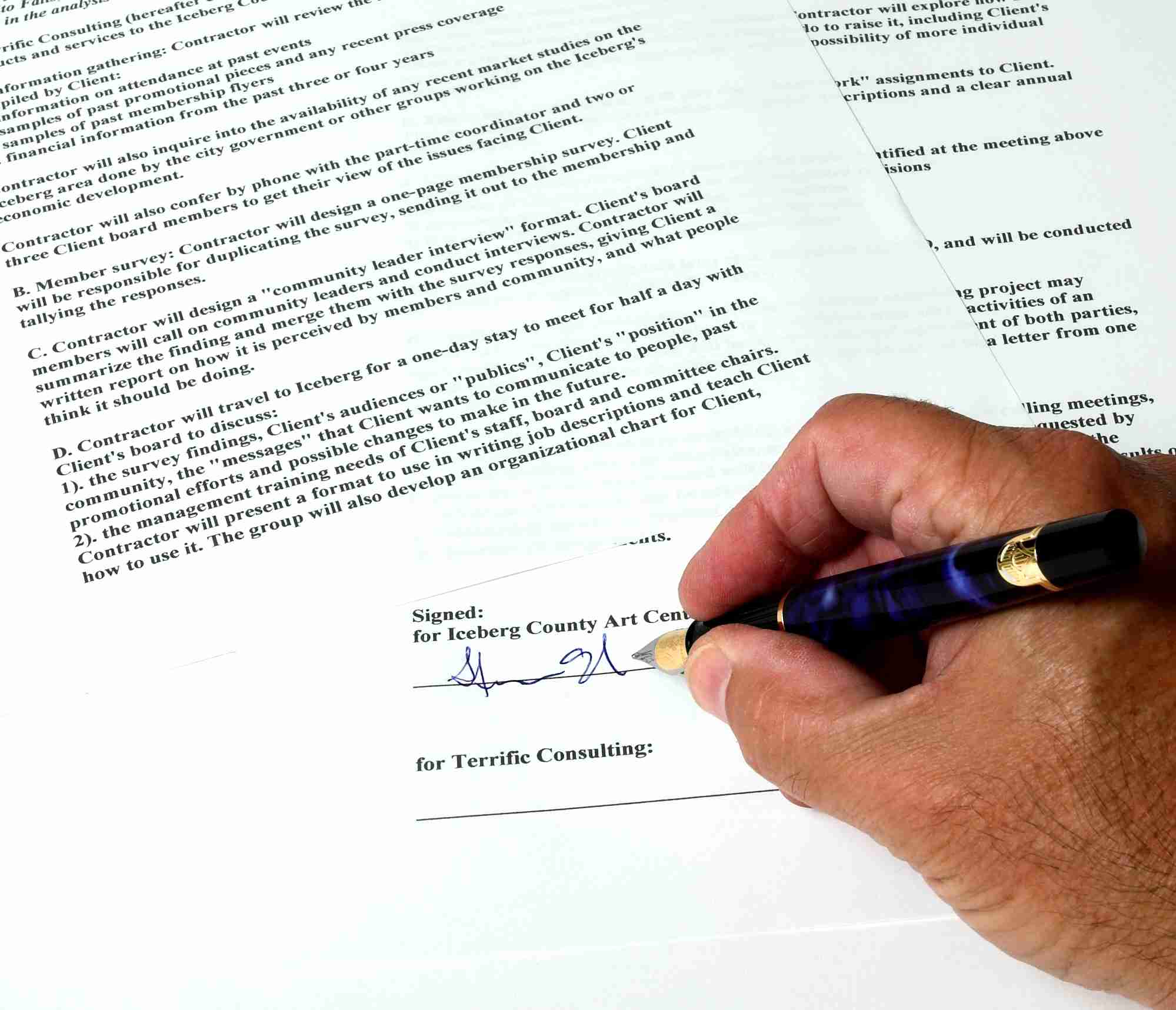

What is Lasting Power of Attorney
A Lasting Power of Attorney (LPA) is a legal document allowing you to appoint trusted individuals to make decisions on your behalf if you lose mental capacity. It ensures your personal, financial, and welfare choices are protected under English law.
- Appoints trusted decision-makers for future incapacity
- Covers financial, property, and personal welfare matters
- Legally recognised across England and Wales
- Effective only after proper registration
- Provides peace of mind and control
An LPA ensures decisions remain aligned with your wishes, even during unexpected circumstances.
Types of Lasting Power Documents
There are two distinct forms of LPA, each addressing different aspects of decision-making authority.
- Property and Financial Affairs decisions covered
- Health and Welfare decisions included
- Separate documents required for each authority
- Both require registration to become valid
- Advice ensures correct selection
Why an LPA Matters
Planning ahead with a Lasting Power of Attorney (LPA) is one of the most important steps you can take to protect yourself and your loved ones.
An LPA ensures that if you ever lose the ability to make decisions due to illness, accident, or age, the people you trust will have the legal authority to act on your behalf.
Lasting Power of Attorney (LPA): Why It Matters

Legal Importance Explained
A Lasting Power of Attorney (LPA) is more than just a legal document—it is a safeguard for your future. Without an LPA in place, families may face significant delays, disputes, and even costly court applications to manage affairs when a loved one loses capacity. This uncertainty can cause emotional strain and financial hardship at a time when stability is most needed.
By establishing an LPA, you ensure that decisions are made promptly, lawfully, and in accordance with your personal wishes. It provides peace of mind for you and your family, knowing that trusted individuals will have the authority to act on your behalf without unnecessary obstacles.
- Speak with our legal team today to prepare your Lasting Power of Attorney securely and confidently.
Property and Financial Affairs Authority
This type of LPA empowers attorneys to manage your financial matters and assets responsibly. It is particularly important for maintaining continuity and protecting your estate from mismanagement.
Key responsibilities include:
- Manage bank accounts and savings responsibly – ensuring funds are used appropriately.
- Handle property transactions lawfully – including buying, selling, or maintaining property.
- Pay bills and liabilities promptly – avoiding arrears or financial penalties.
With this authority, attorneys can keep your financial affairs running smoothly, safeguarding your wealth and ensuring obligations are met.
Health and Welfare Decision Authority
The Health and Welfare LPA covers personal and medical decisions when you are no longer able to make them yourself. This ensures that your preferences are respected and that care decisions are made in your best interests.
Key responsibilities include:
- Medical treatment decisions authorised – allowing attorneys to consent to or refuse treatments.
- Care arrangements managed appropriately – ensuring suitable living and care arrangements.
- Life‑sustaining treatment preferences respected – reflecting your wishes during critical healthcare decisions.
This authority prevents disputes among family members and ensures clarity during sensitive times.
Choosing Trusted Attorneys
Selecting the right attorneys is one of the most important steps in creating an LPA. Attorneys must act in your best interests and carry out their duties with integrity and responsibility.
Considerations include:
- Attorneys must act in your best interests – prioritising your welfare above all else.
- Multiple attorneys may be appointed jointly – providing balance and shared responsibility.
- Replacement attorneys provide continuity – ensuring decisions can still be made if an attorney is unable to act.
Careful selection builds confidence and reliability, ensuring your affairs are managed exactly as you intend.
Registration with the Office of the Public Guardian
An LPA only becomes legally effective once it is registered with the Office of the Public Guardian. Registration is a mandatory step that validates the document and prevents misuse.
Key points include:
- Mandatory registration required – without it, the LPA cannot be used.
- Registration prevents misuse – ensuring attorneys act within the law.
- Delays avoided with proper submission – timely registration ensures authority is granted when needed.
Professional handling of the registration process ensures smooth approval and avoids unnecessary complications.

Who Can Make an LPA
Any adult with mental capacity may create an LPA to protect future interests.
- Must be aged eighteen or over
- Must understand implications fully
- Capacity assessed during execution
- Voluntary decision required
- Free from pressure or coercion
Early planning avoids future complications.
LPA Application Process
Creating an LPA involves structured legal steps ensuring compliance.
Initial Legal Consultation
We assess your circumstances, explain options, and confirm suitability before drafting documentation.
- Personal needs assessed comprehensively
- Risks and responsibilities explained clearly
- Correct LPA types identified
Our guidance ensures informed decision-making throughout.
Drafting Legal Documents
Precise drafting protects your wishes and prevents future disputes.
- Customised LPA documents prepared
- Legal terminology accurately applied
- Attorney powers clearly defined
Attention to detail ensures enforceability.
Execution and Witnessing
Proper execution is essential for validity.
- Signatures completed correctly
- Independent witnesses verified
- Certificate provider confirms capacity
Errors avoided through professional oversight.
Registration Submission
We manage registration with the Office of the Public Guardian.
- Applications submitted promptly
- Errors corrected efficiently
- Registration progress monitored
Timely registration avoids delays.
Post-Registration Advice
Ongoing support ensures proper use of the LPA.
- Attorney duties explained clearly
- Compliance guidance provided
- Future amendments advised
Support continues beyond registration.
Common Mistakes to Avoid
Errors during LPA preparation can invalidate documents.

Incorrect Attorney Selection
Choosing unsuitable attorneys can cause disputes.
Attorney Choice Matters
- Lack of trust or reliability
- Conflicts of interest arise
- No replacement attorneys appointed
- Poor financial understanding
- Communication issues
Professional advice helps mitigate risks.
Improper Document Execution
Execution errors render LPAs invalid.
Execution Accuracy Essential
- Incorrect signing order
- Missing witness details
- Ineligible certificate providers
- Dates completed incorrectly
- Unclear authority limitations
Legal supervision prevents mistakes.
Failure to Register Promptly
Unregistered LPAs cannot be used.
Registration Is Mandatory
- Delayed authority activation
- Emergency decisions blocked
- Increased court involvement
- Family disputes arise
- Financial losses possible
Timely registration is essential.
Outdated LPA Documents
Circumstances change over time.
Review Regularly Required
- Attorneys no longer suitable
- Assets change significantly
- Family circumstances evolve
- Law updates apply
- Preferences shift
Periodic reviews maintain relevance.
Misuse of Attorney Powers
Abuse of authority has serious consequences.
Safeguards Apply Always
- Duty to act responsibly
- OPG investigations possible
- Financial penalties imposed
- Removal of attorneys
- Criminal prosecution risk
Clear guidance protects all parties.